Client: Yarra Ranges Council
Location: Upwey, Victoria – adjoining Brooking Street Reserve
Community Partners: Urban Guerrillas, Operation Keystone
Project Overview
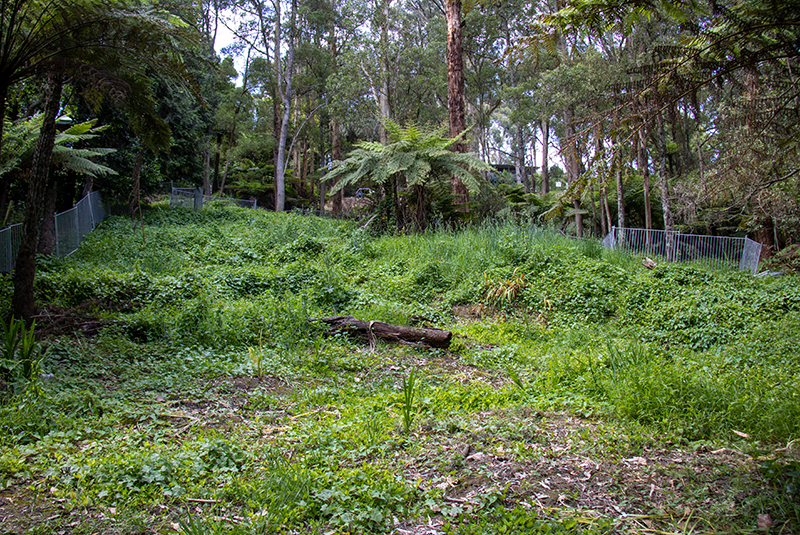
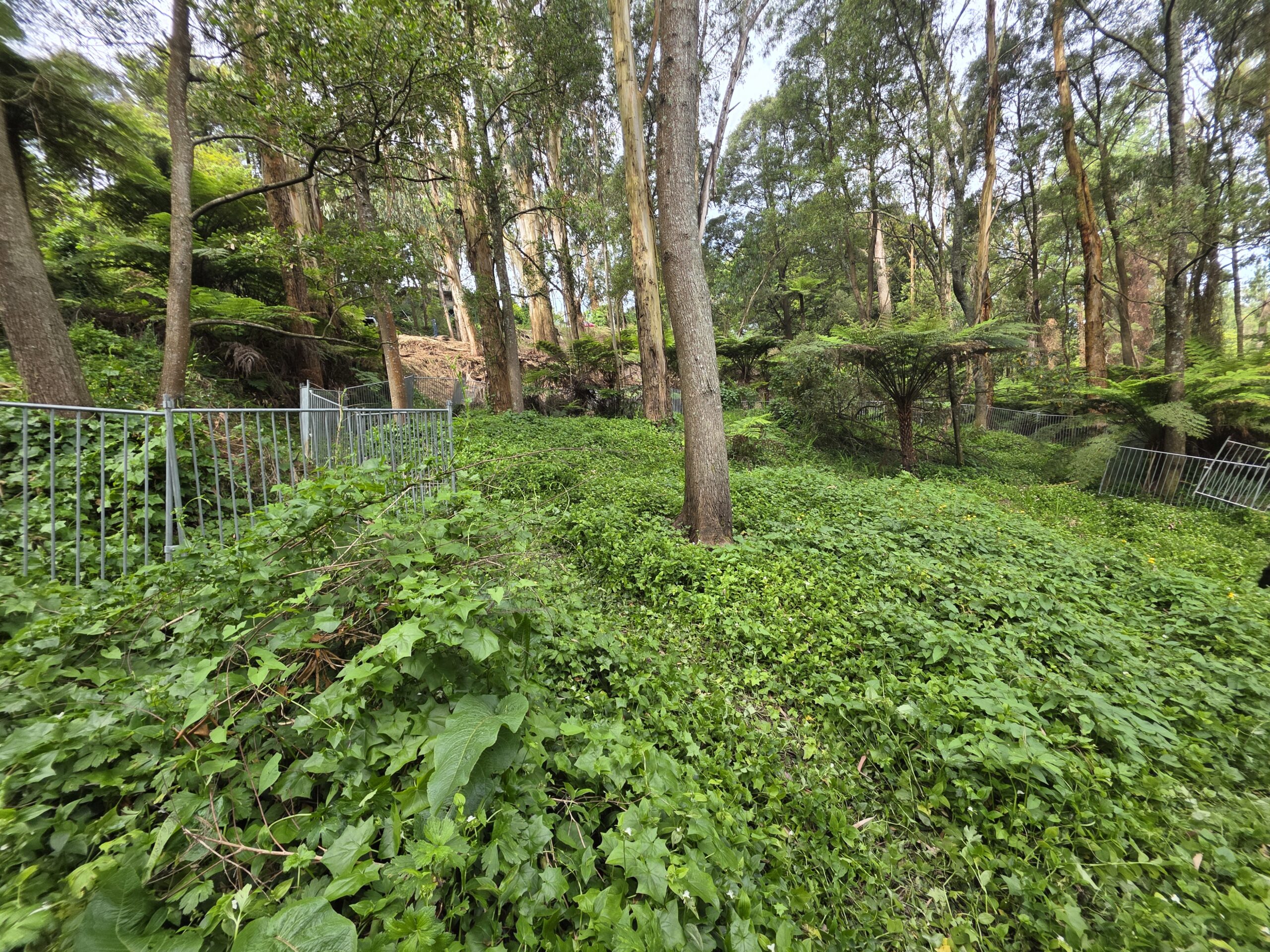
This project involved the rehabilitation of a long-neglected landslip site in Upwey. The property, acquired by Yarra Ranges Council due to its adjacency to Brooking Street Reserve and habitat potential with beautiful old blackwood’s and tree ferns, this site had experienced significant weed encroachment across steep and unstable terrain.
The Council engaged Operation Regeneration to assess whether targeted goat browsing could safely and effectively reduce biomass on this highly challenging site.
Given the slope instability, unknown ground conditions, and historical debris from a former dwelling, a staged approach was adopted.
Stage 1 – Steep Slope Biomass Reduction
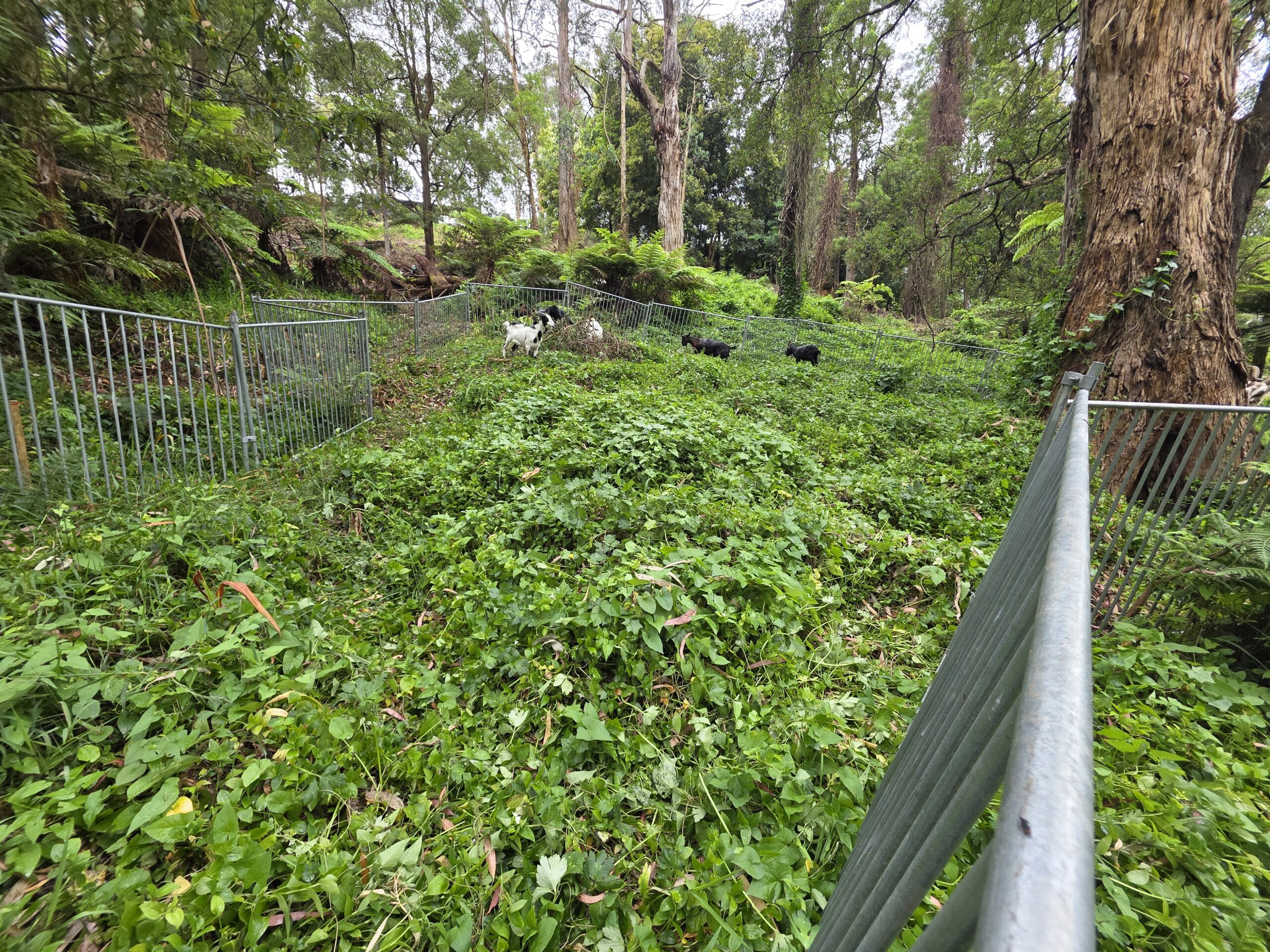
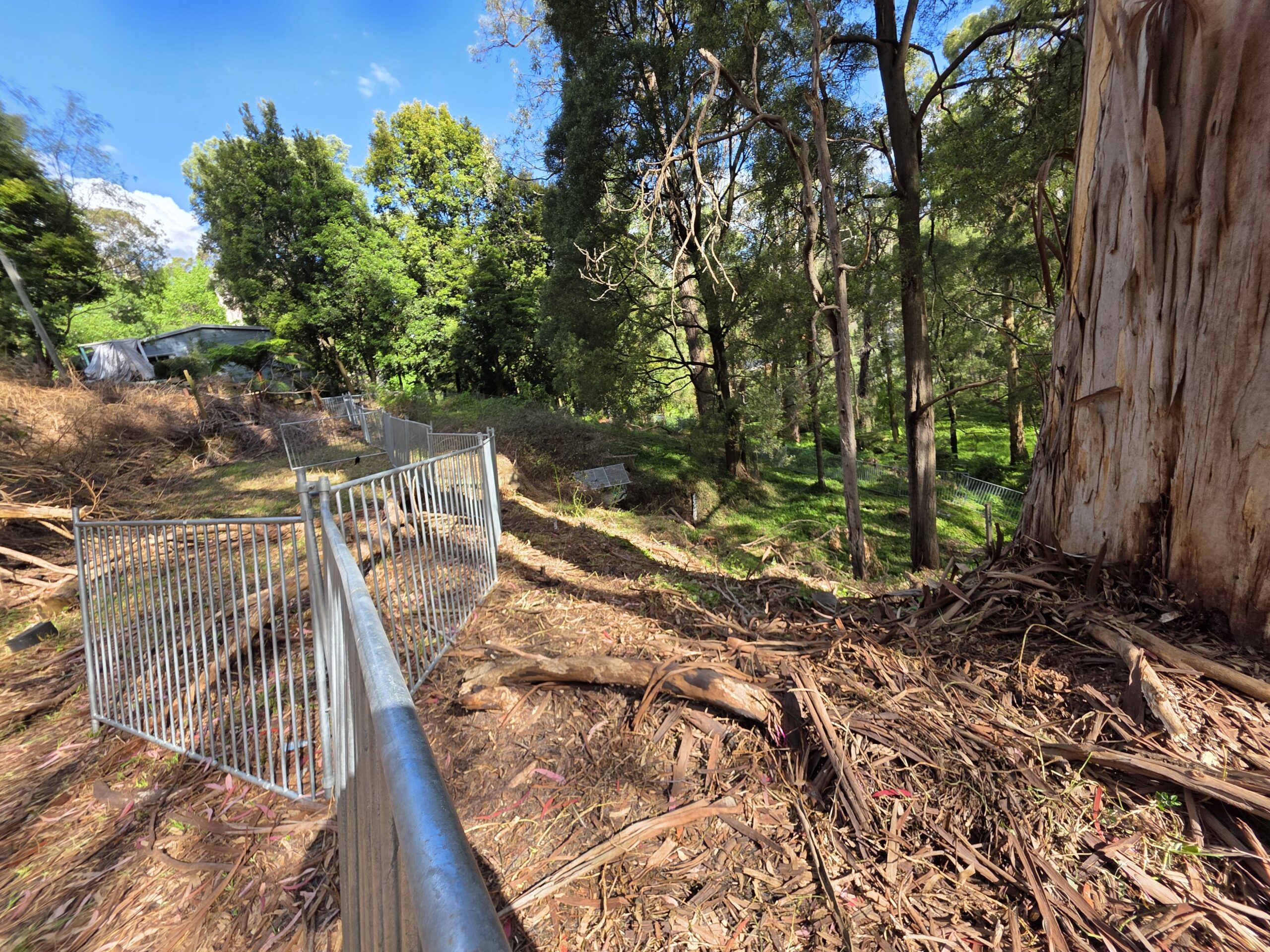
Stage 1 focused on the steepest and most hazardous section of the property — the former house footprint and immediate embankment.
Key Challenges
- Severe slope gradient and unstable footing
- Unknown ground levels beneath dense weed growth
- Construction debris and residual waste from previous structures
- Limited machinery access
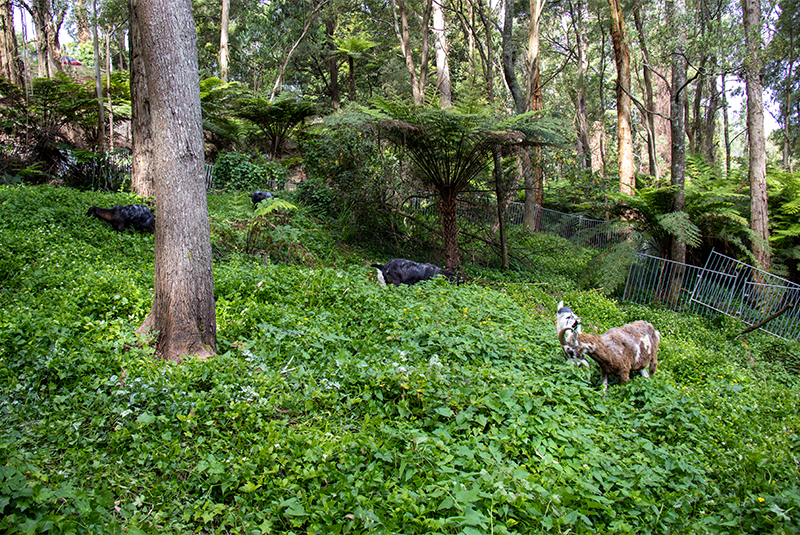
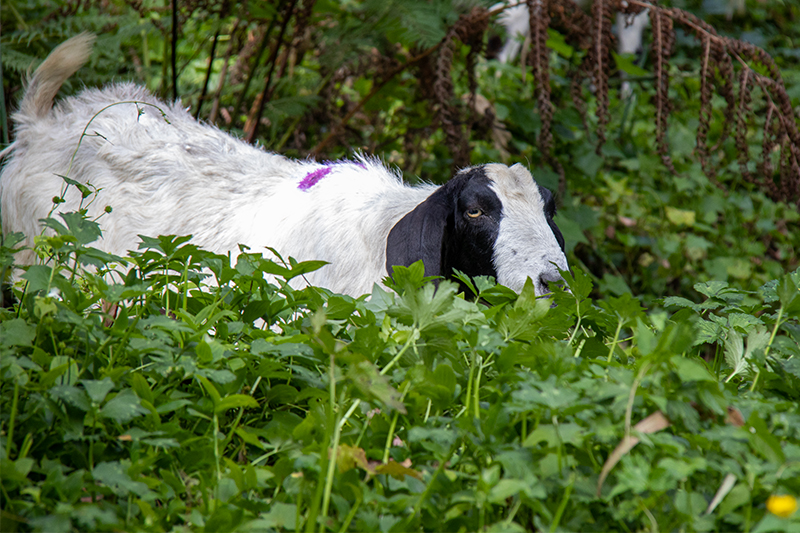
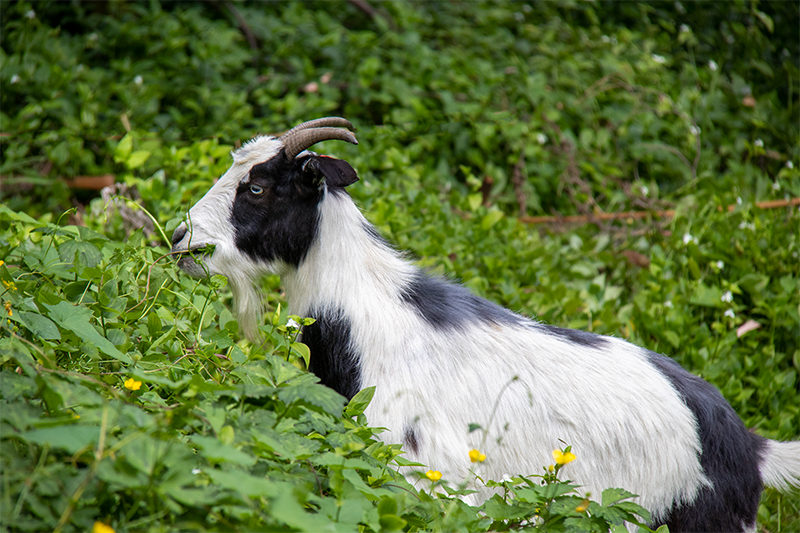
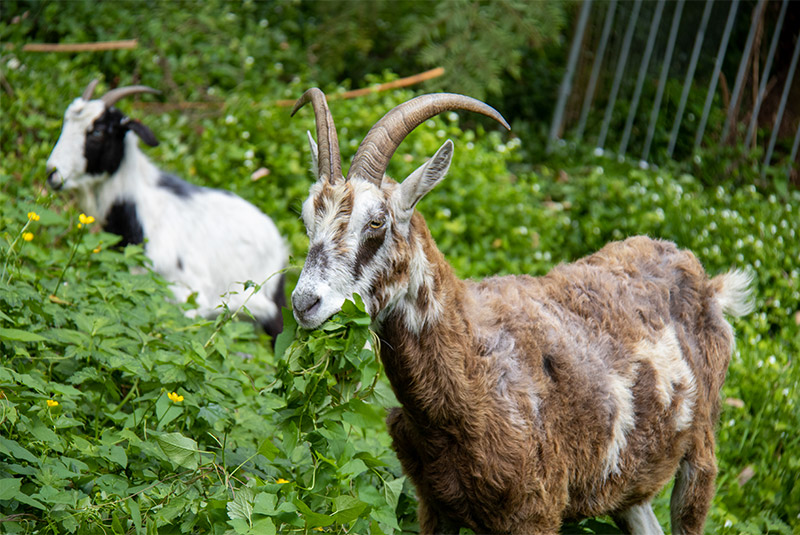
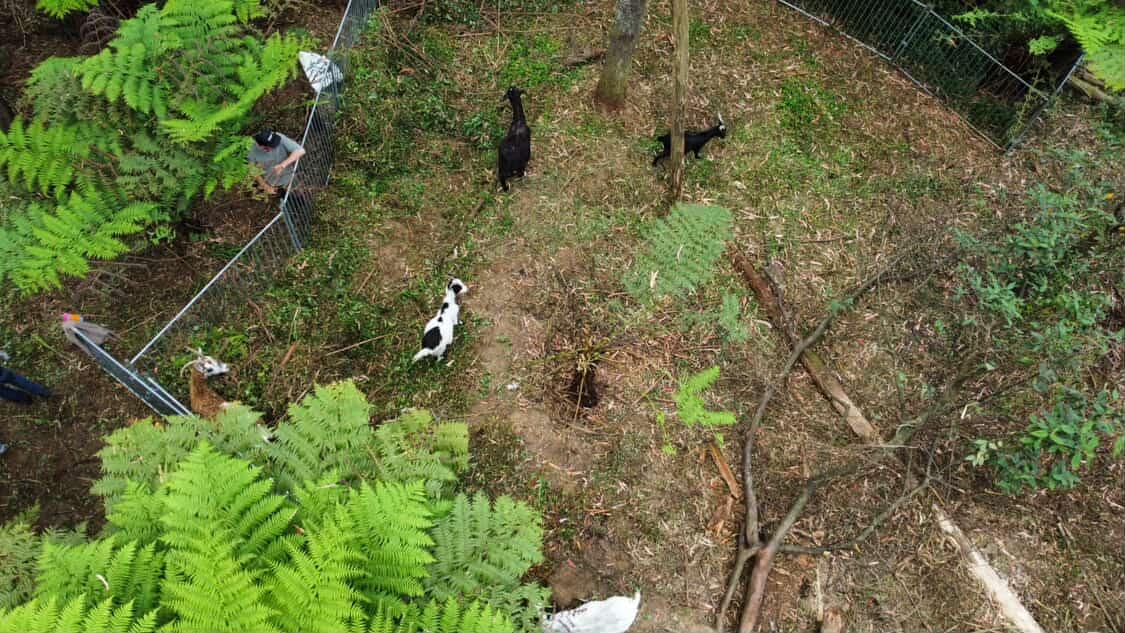
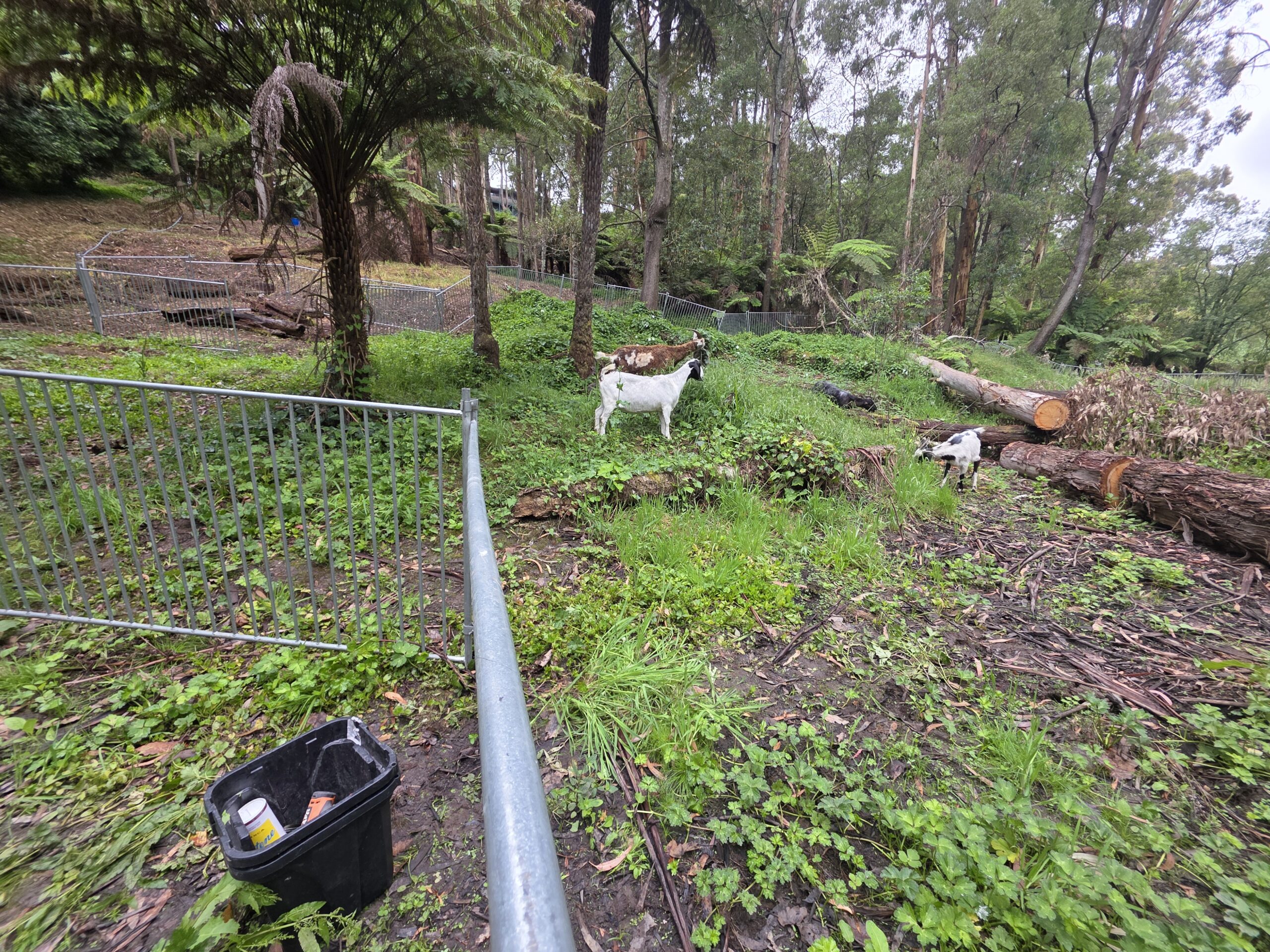
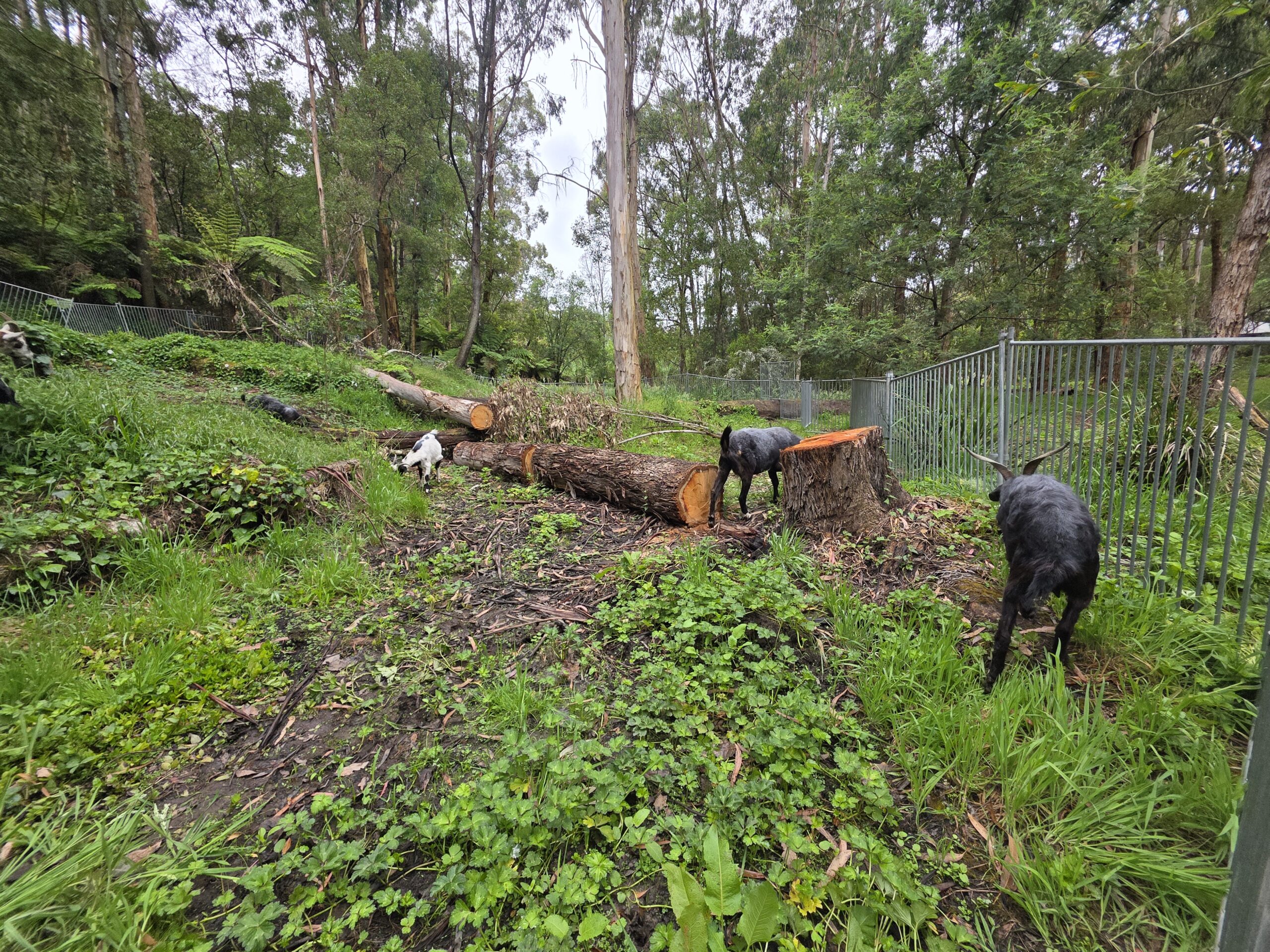
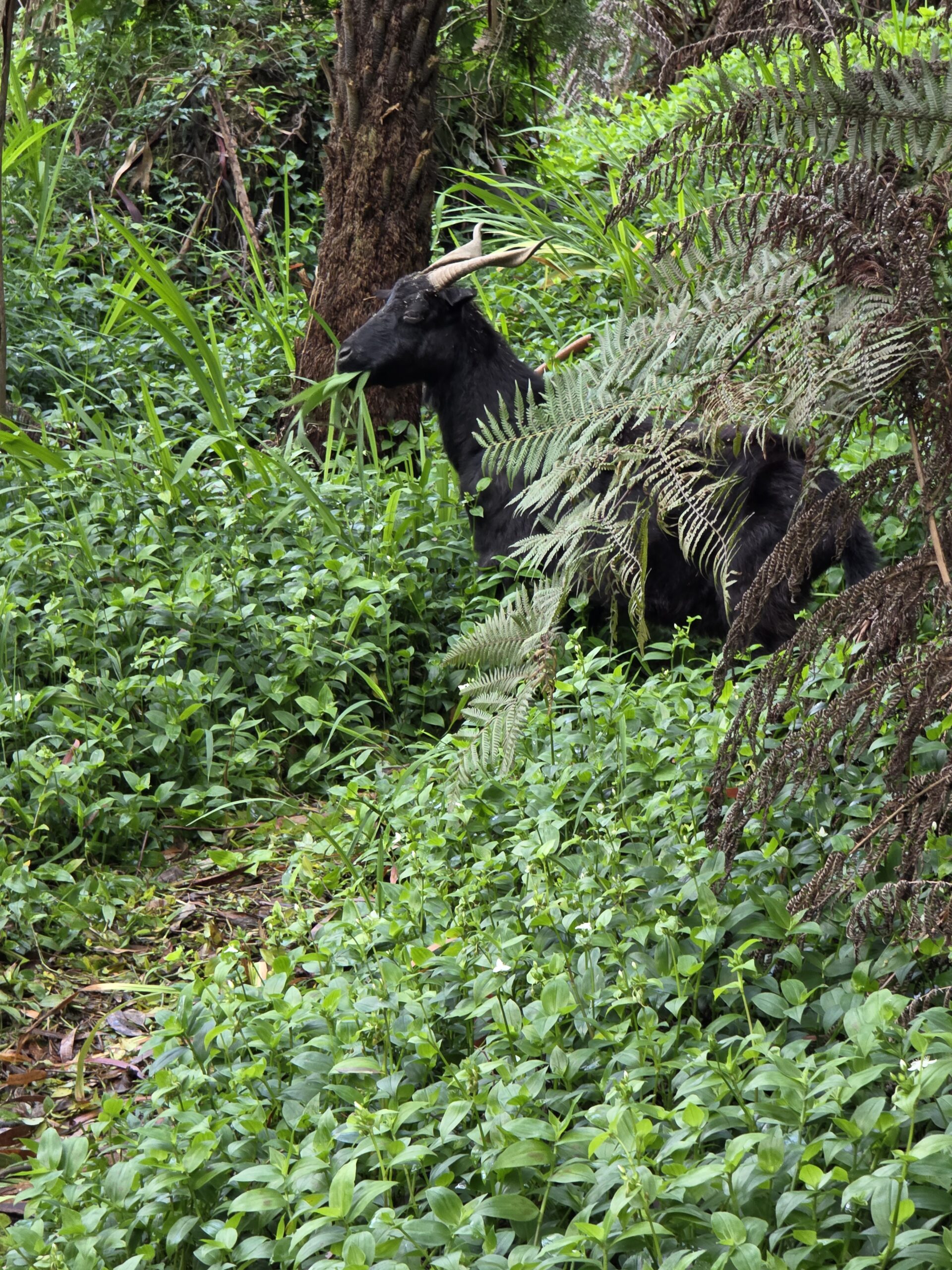
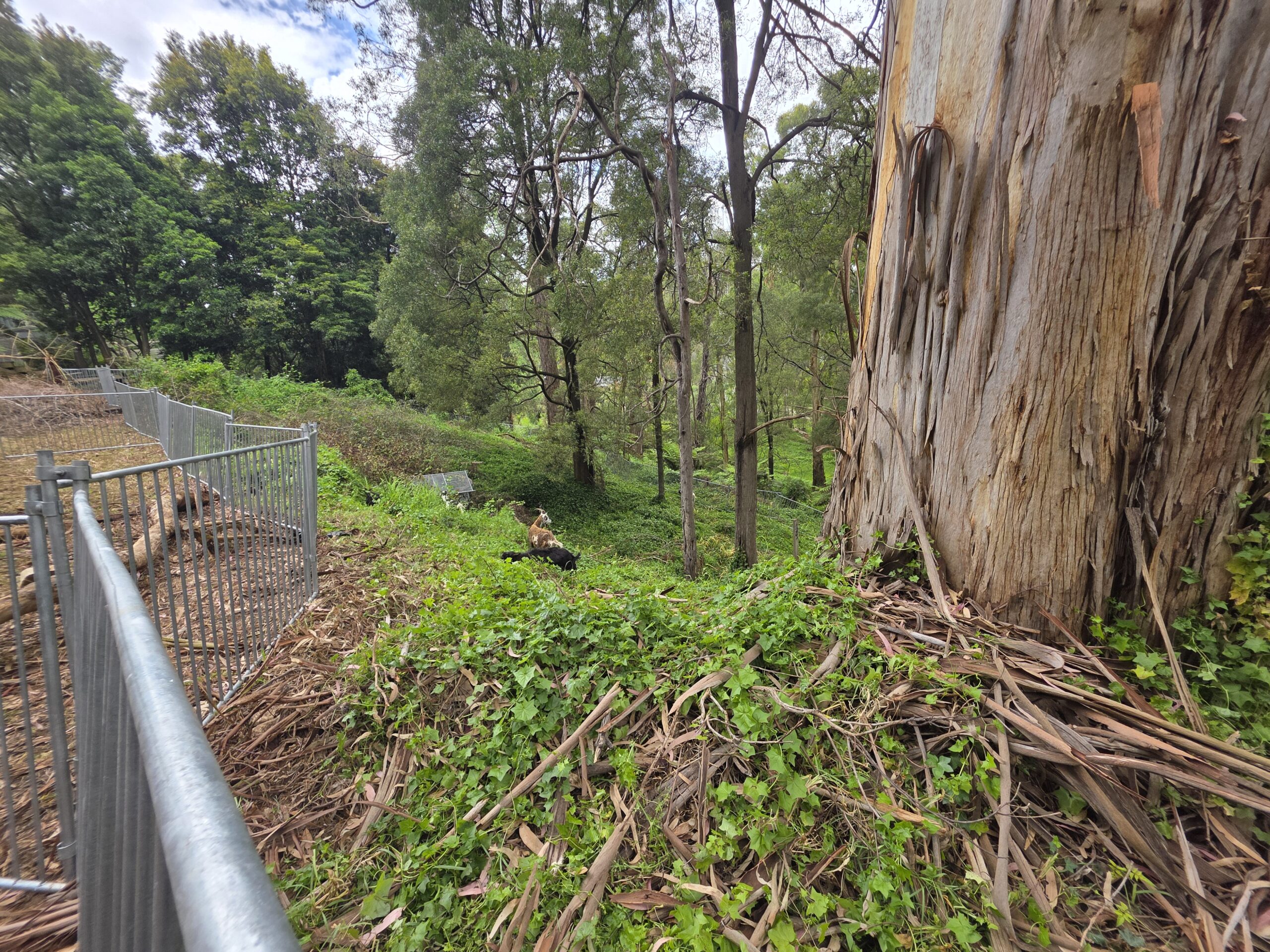
Following a controlled setup, goats were deployed to undertake targeted browsing. Their ability to navigate unstable terrain and selectively reduce woody weeds proved ideal for this environment where mechanical slashing was not feasible.
Within several weeks:
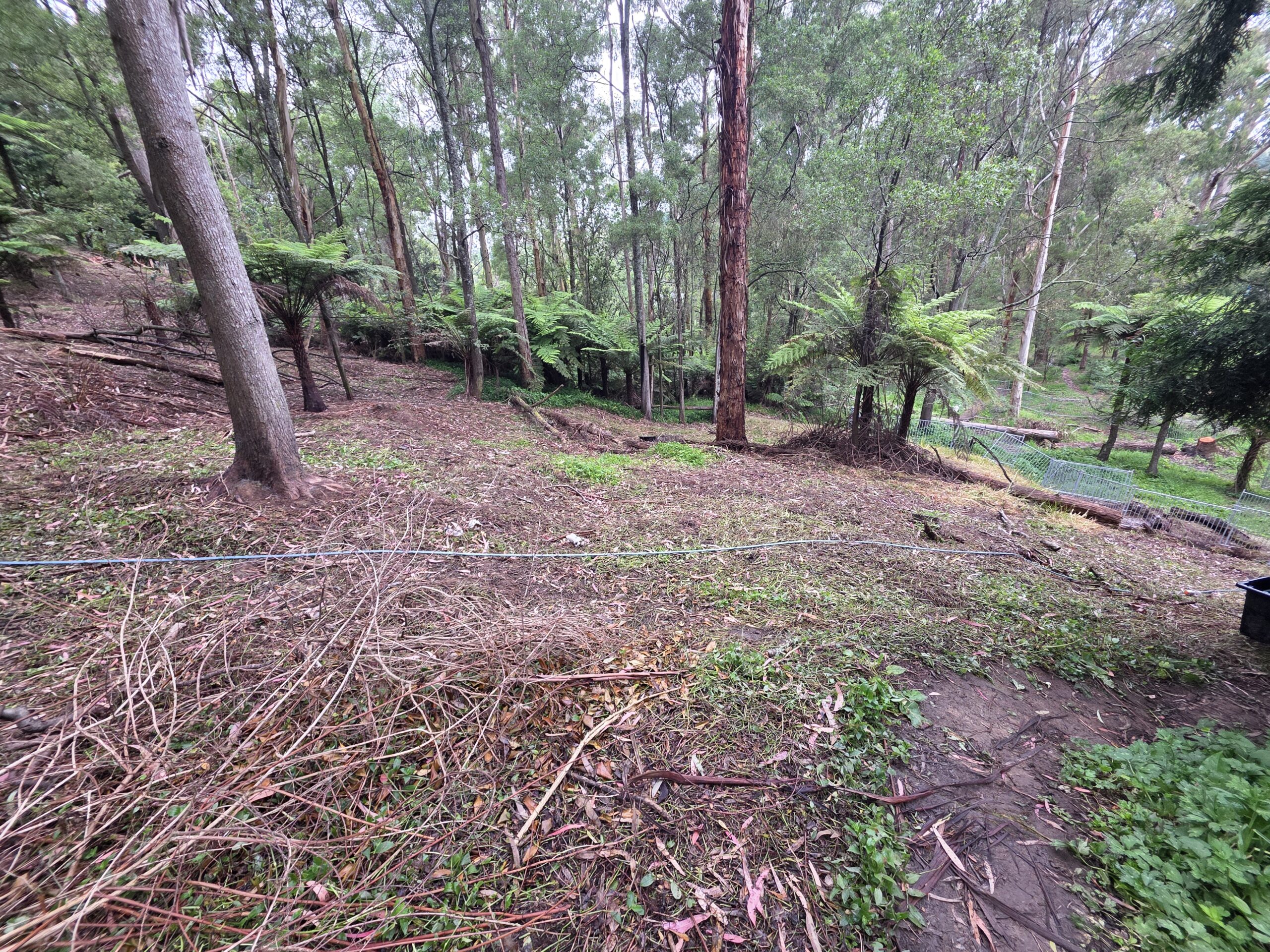
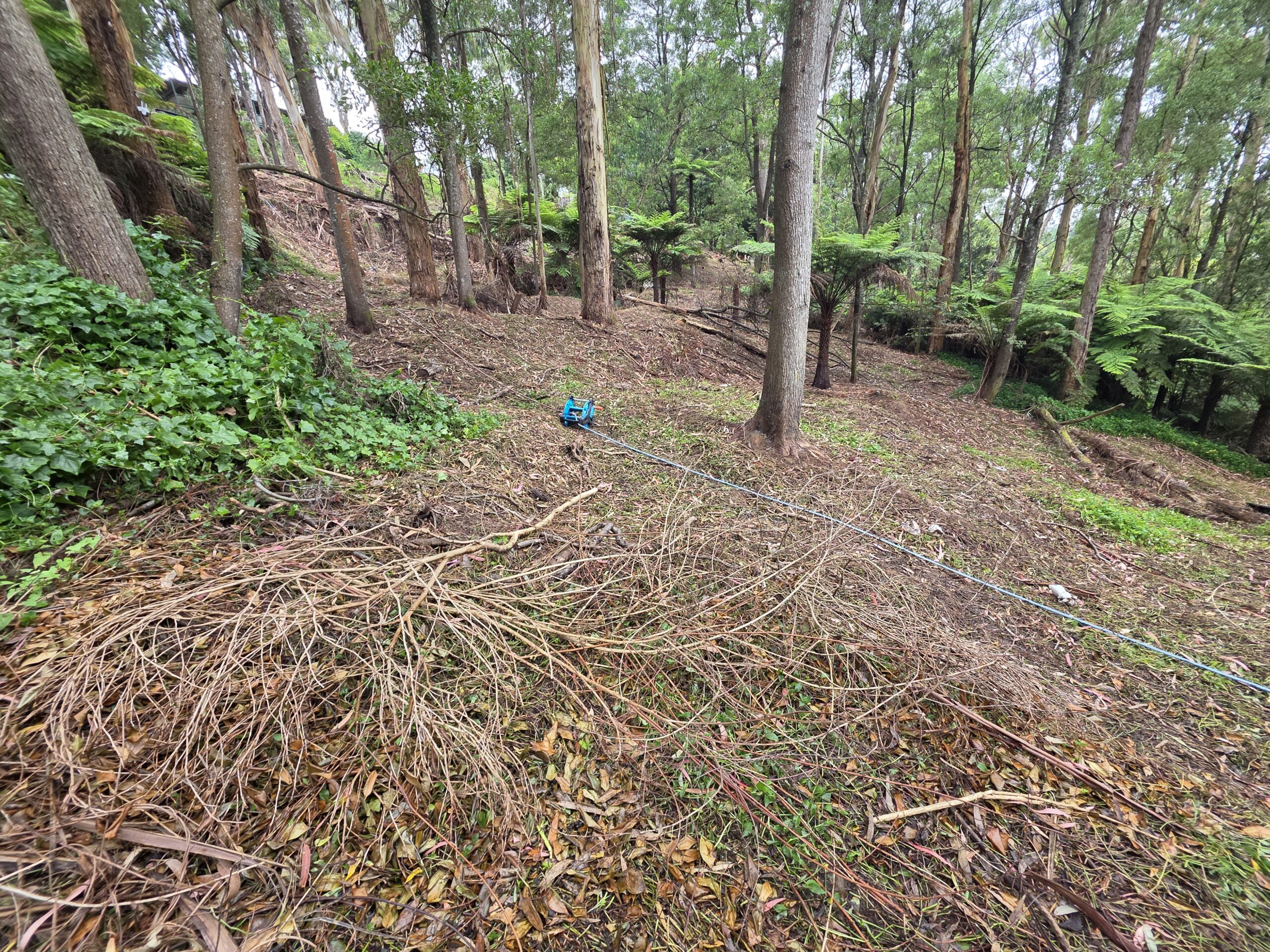
- Dense weed cover was significantly reduced
- Ground visibility was restored
- Access for follow-up works was created
- Herbicide reliance was substantially minimised
The outcome exceeded expectations, leading to approval to progress further down the property toward the reserve interface.
Stage 2 – Expansion Toward Reserve Interface
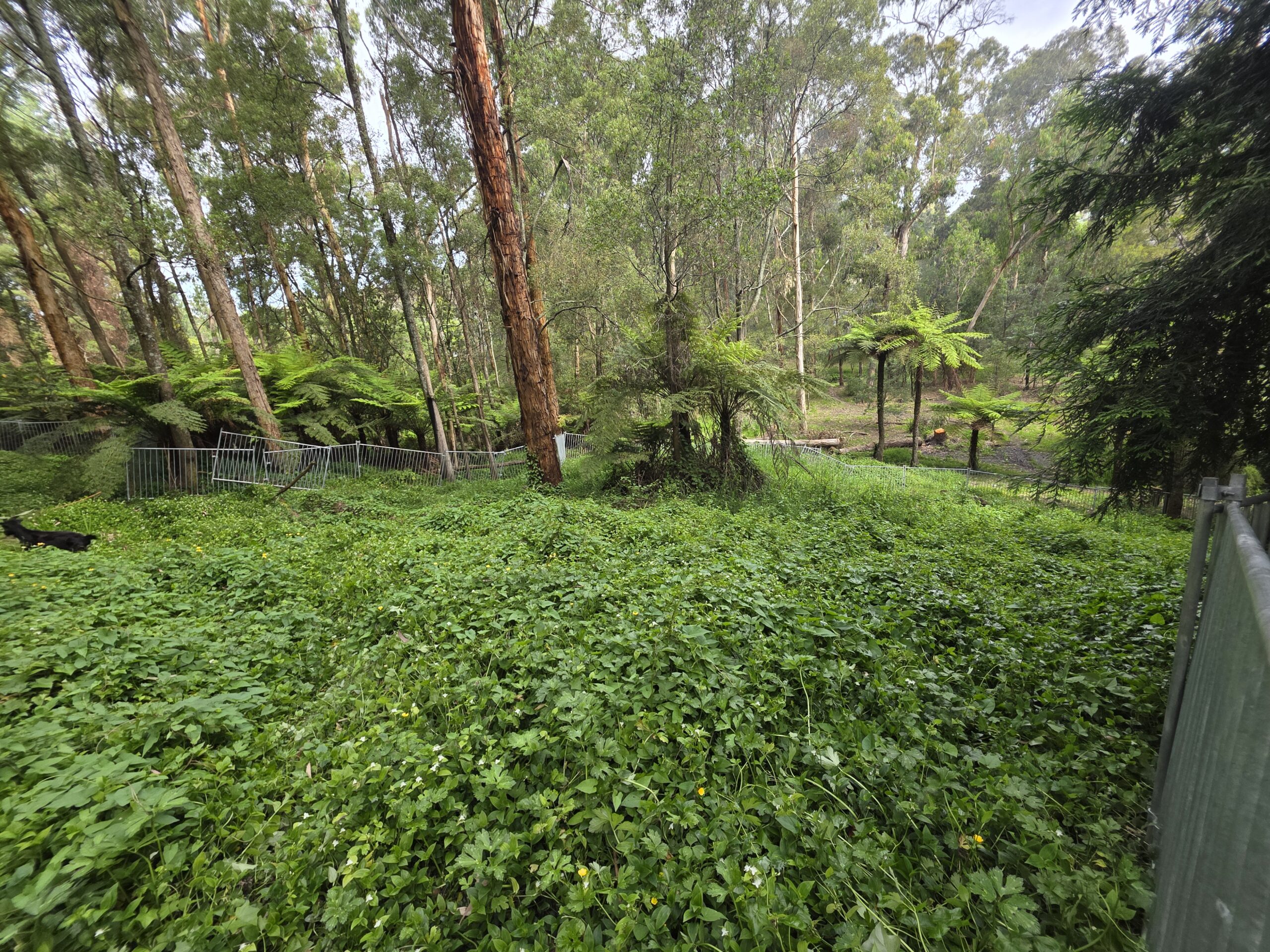
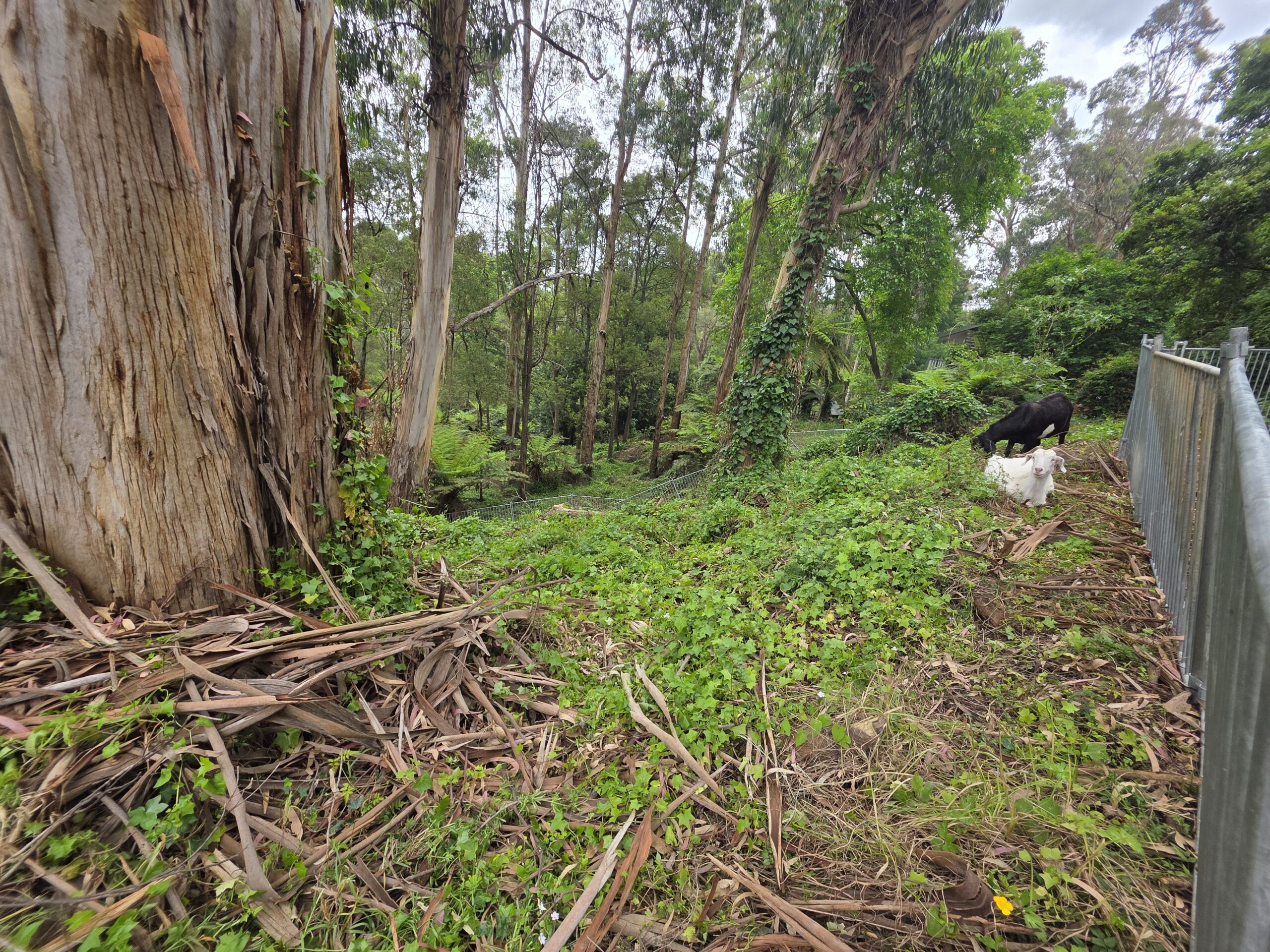
With Stage 1 completed successfully, browsing expanded downslope toward the Brooking Street Reserve boundary and Ferny creek.
The goats completed a comprehensive biomass reduction pass, lowering weed loads to a manageable level and creating a safer, more accessible site for ongoing restoration.
Importantly:
- Native fern areas were identified and strategically excluded from grazing
- Ecologically sensitive patches were protected
- Weed pressure was reduced prior to manual follow-up
- Rubbish and debris where exposed for removal
Urban Guerrillas have since:
- Conducted two volunteer working bees
- Undertaken detailed hand weeding in and around protected native fern areas
- Continued the restoration trajectory initiated by goat browsing
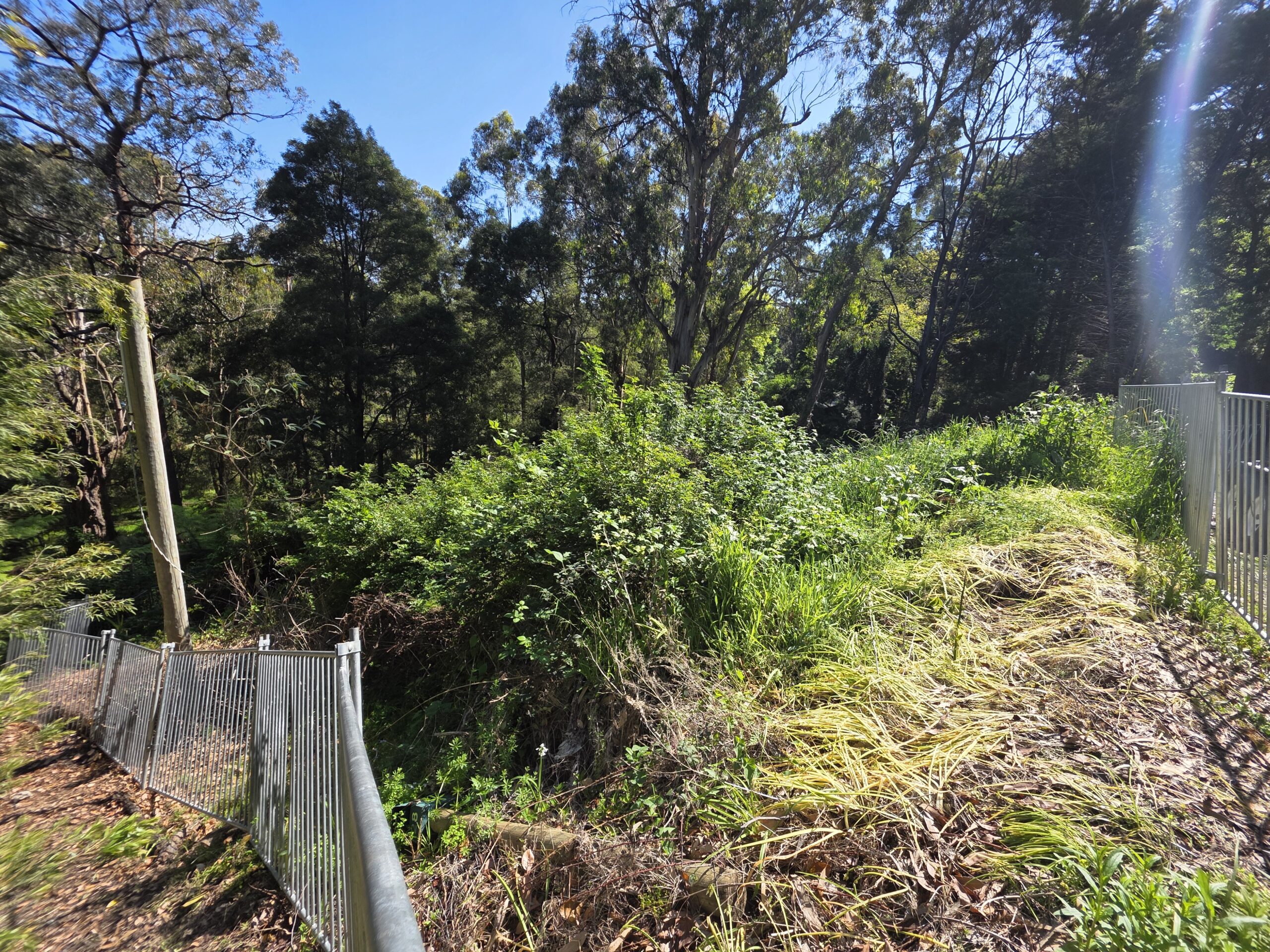
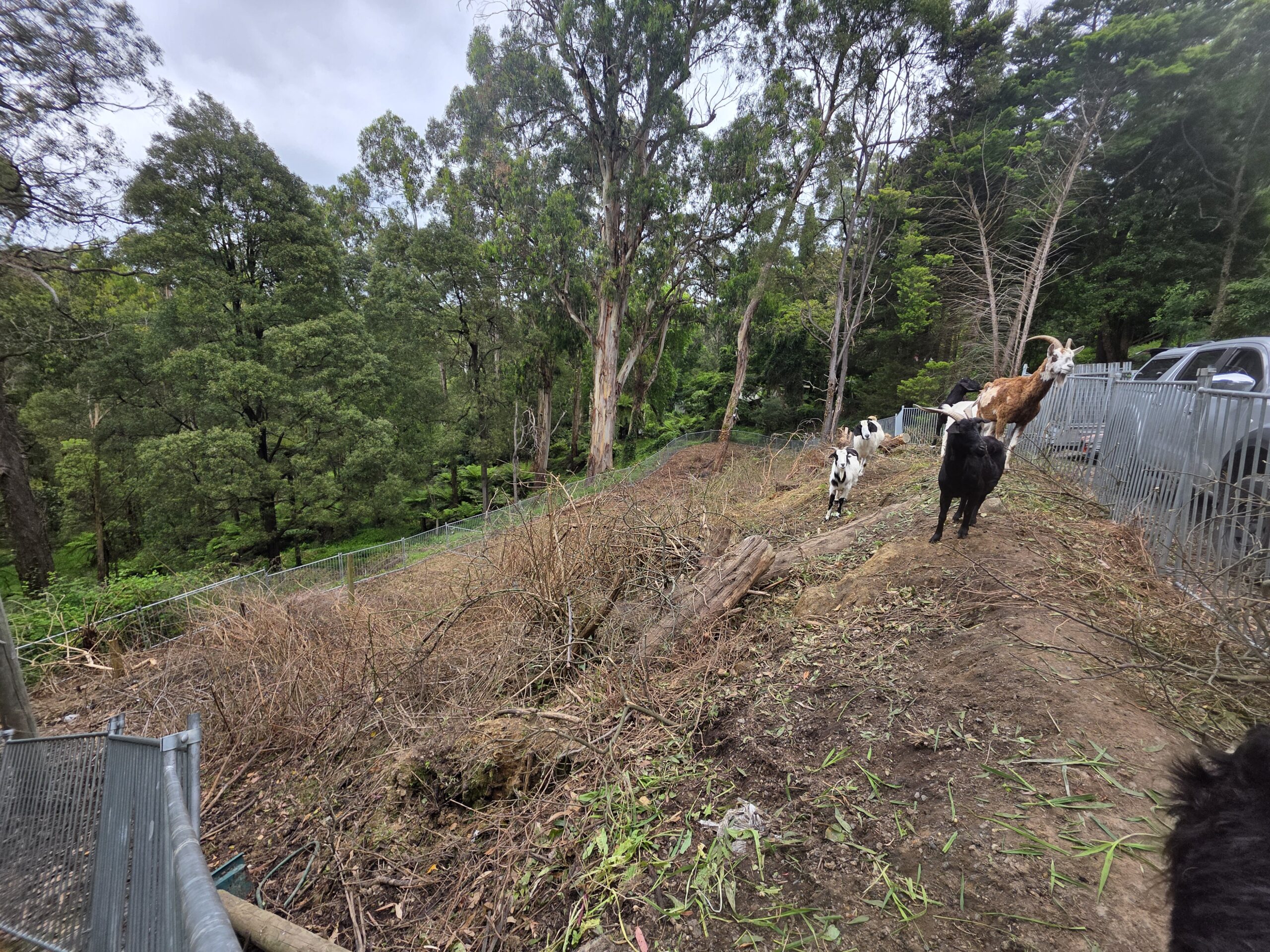
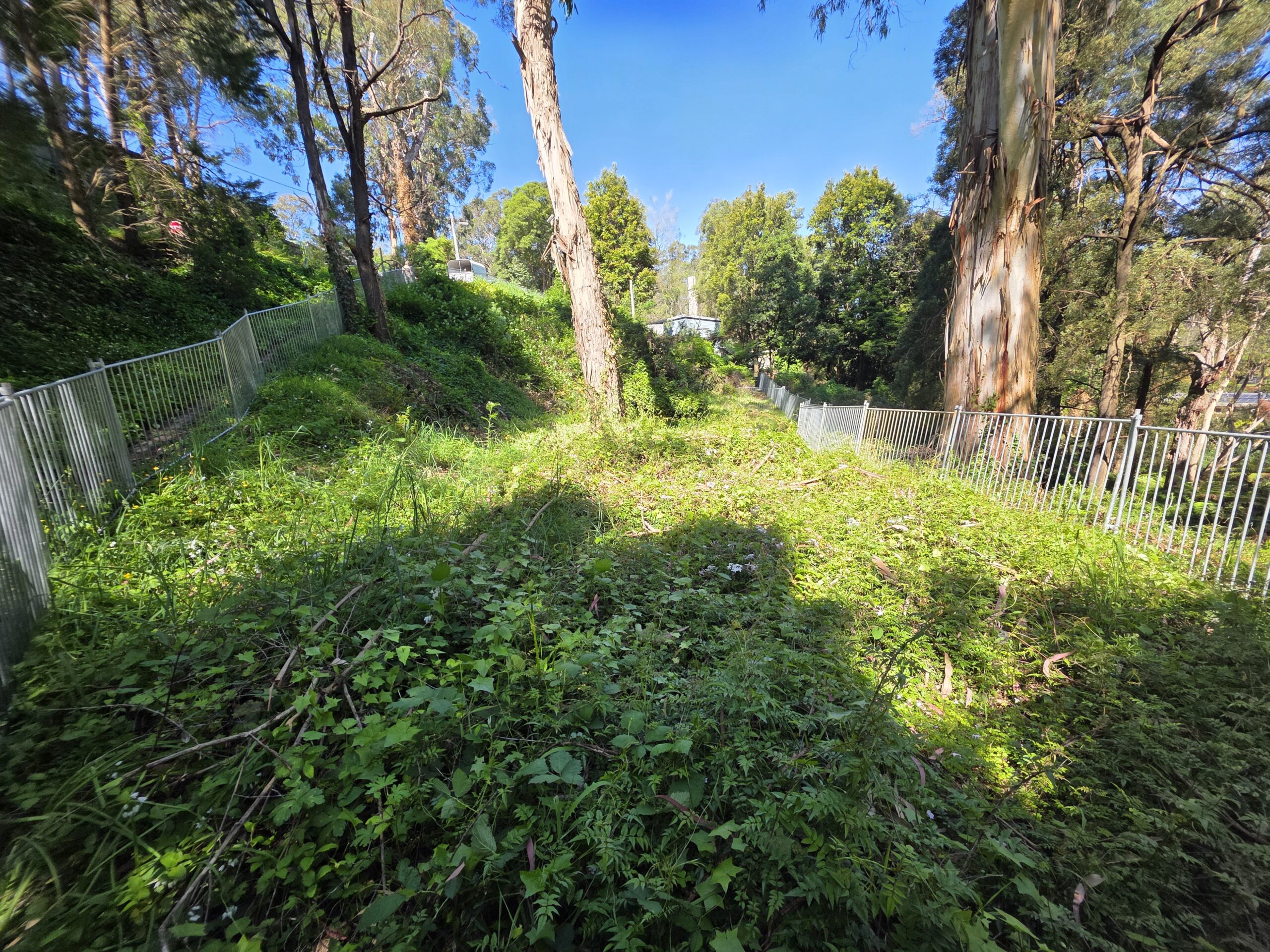
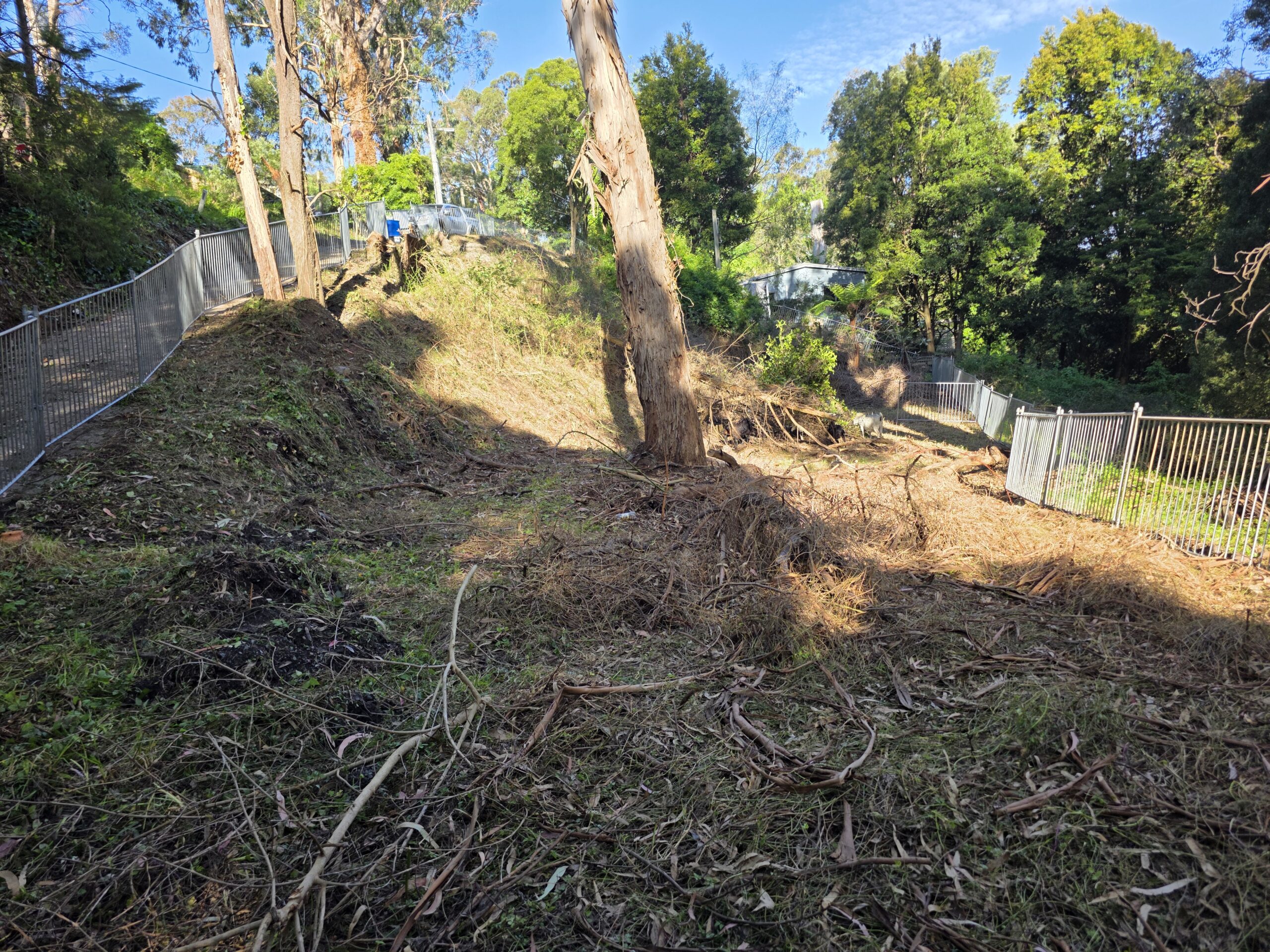
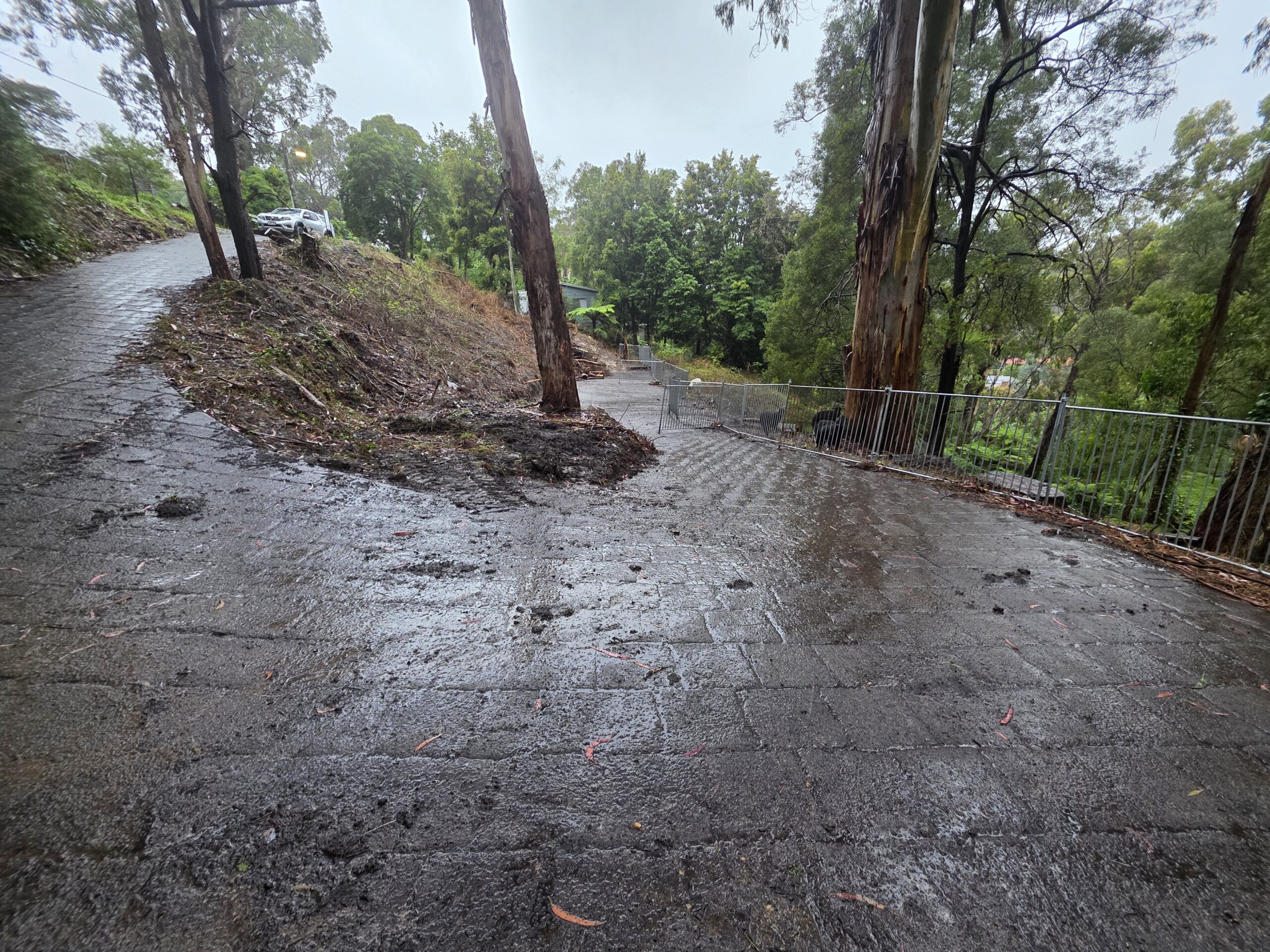
The old driveway was found thanks to the goats, previously unknown where it went too
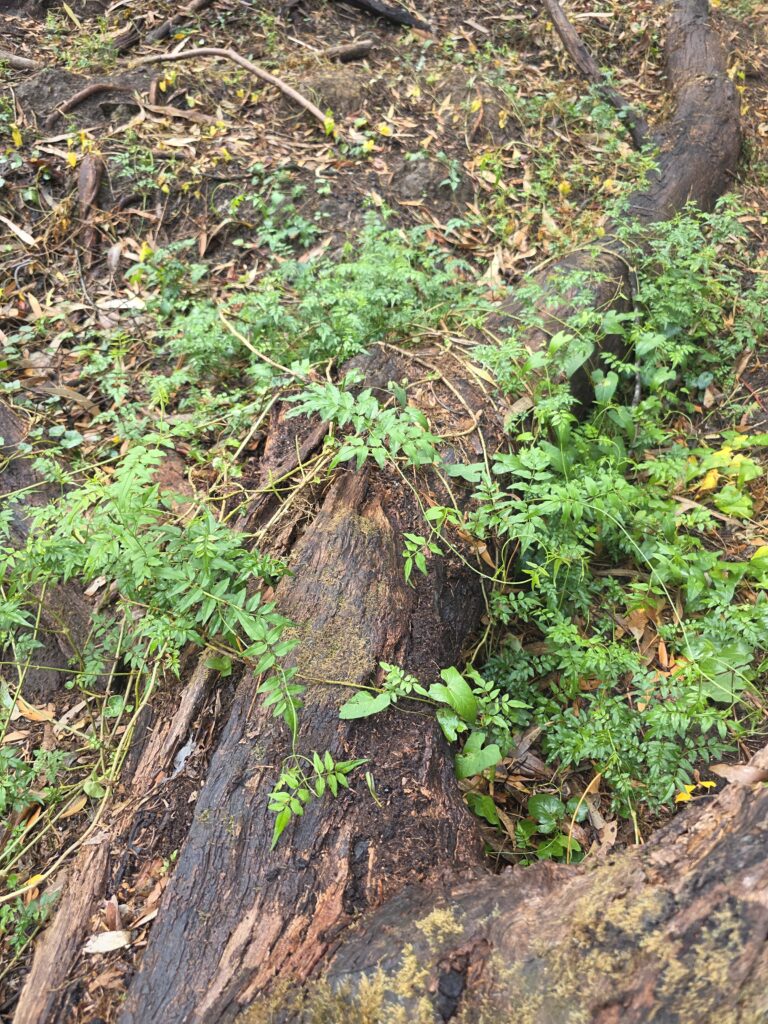
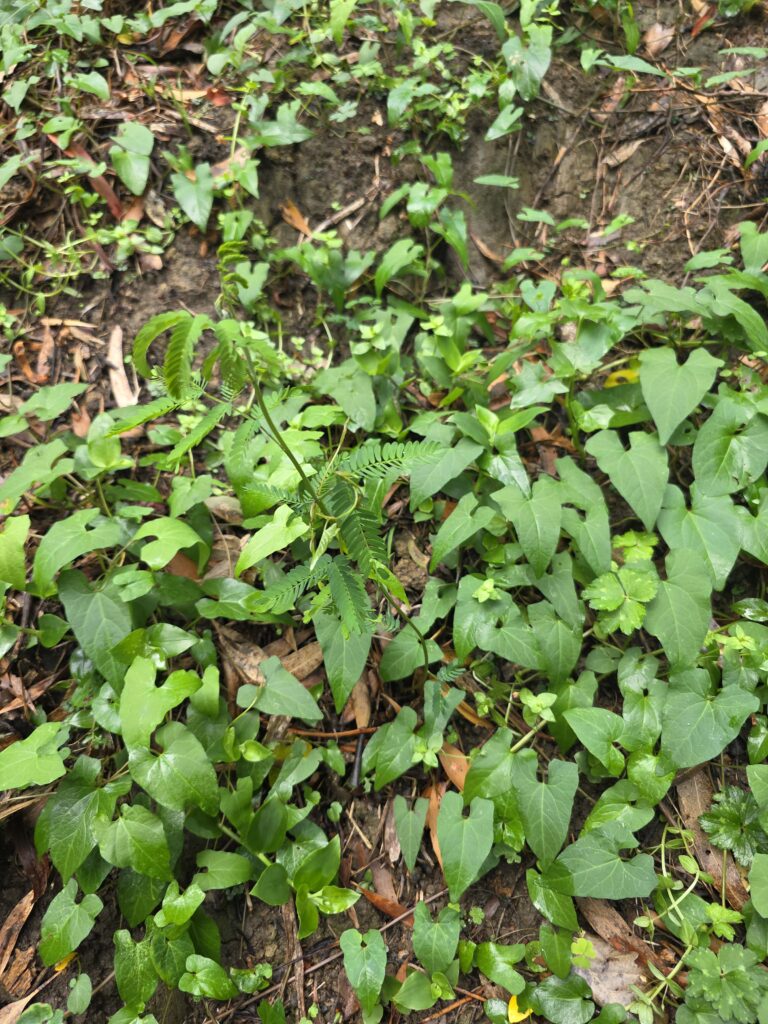
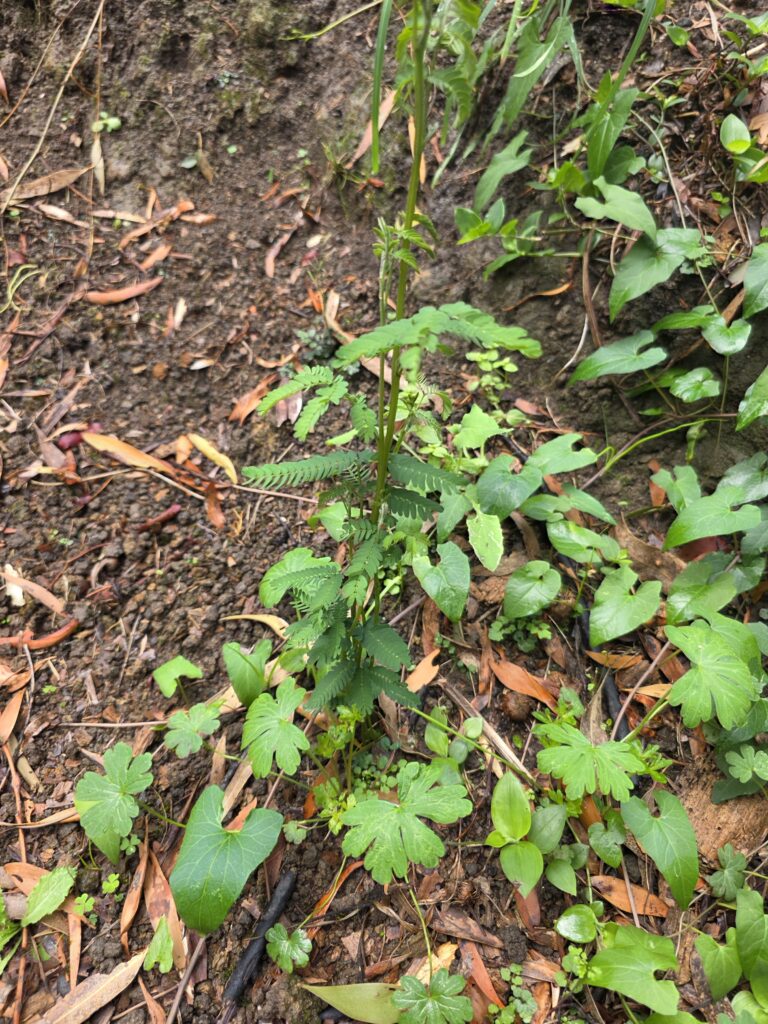
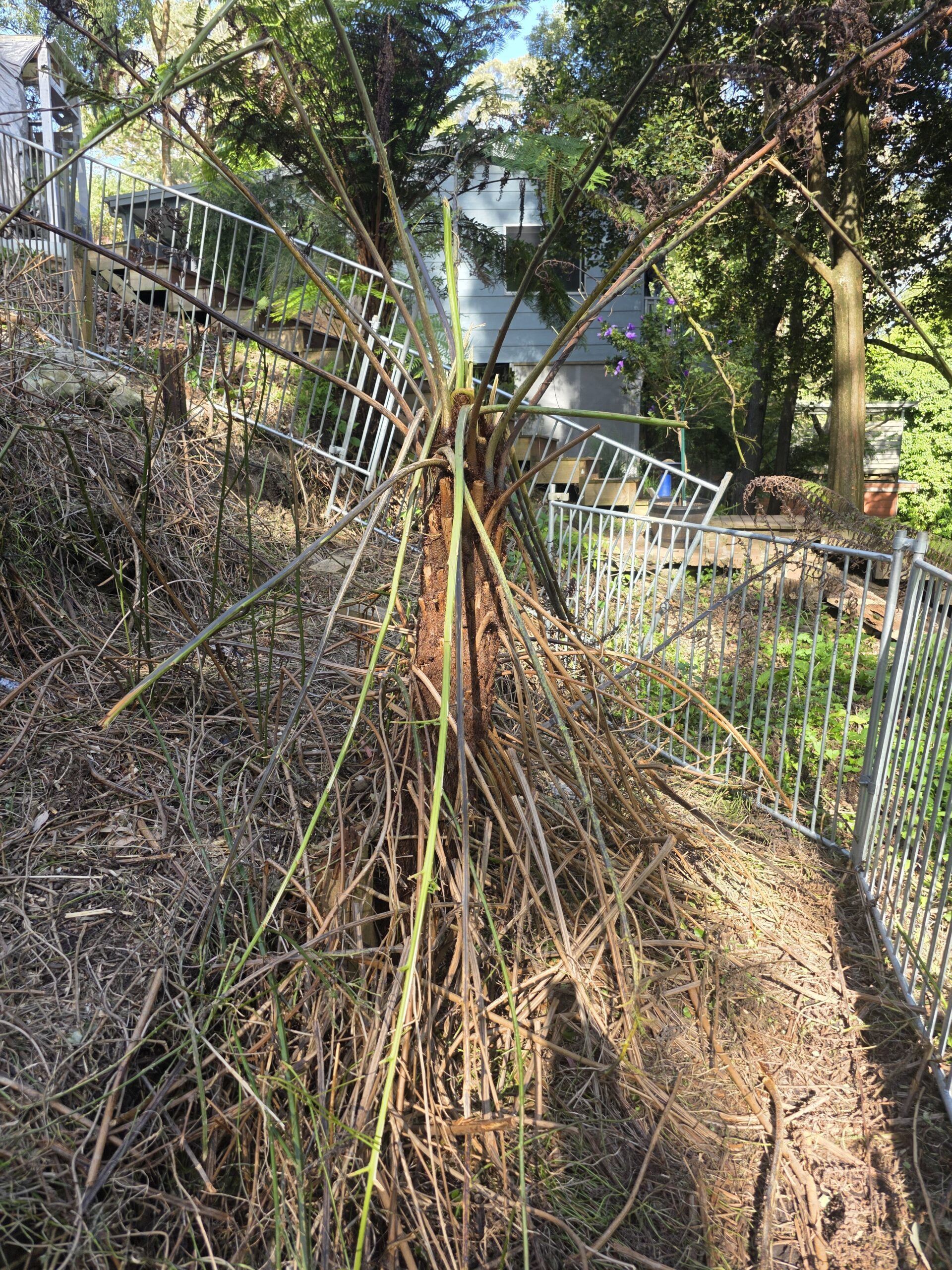
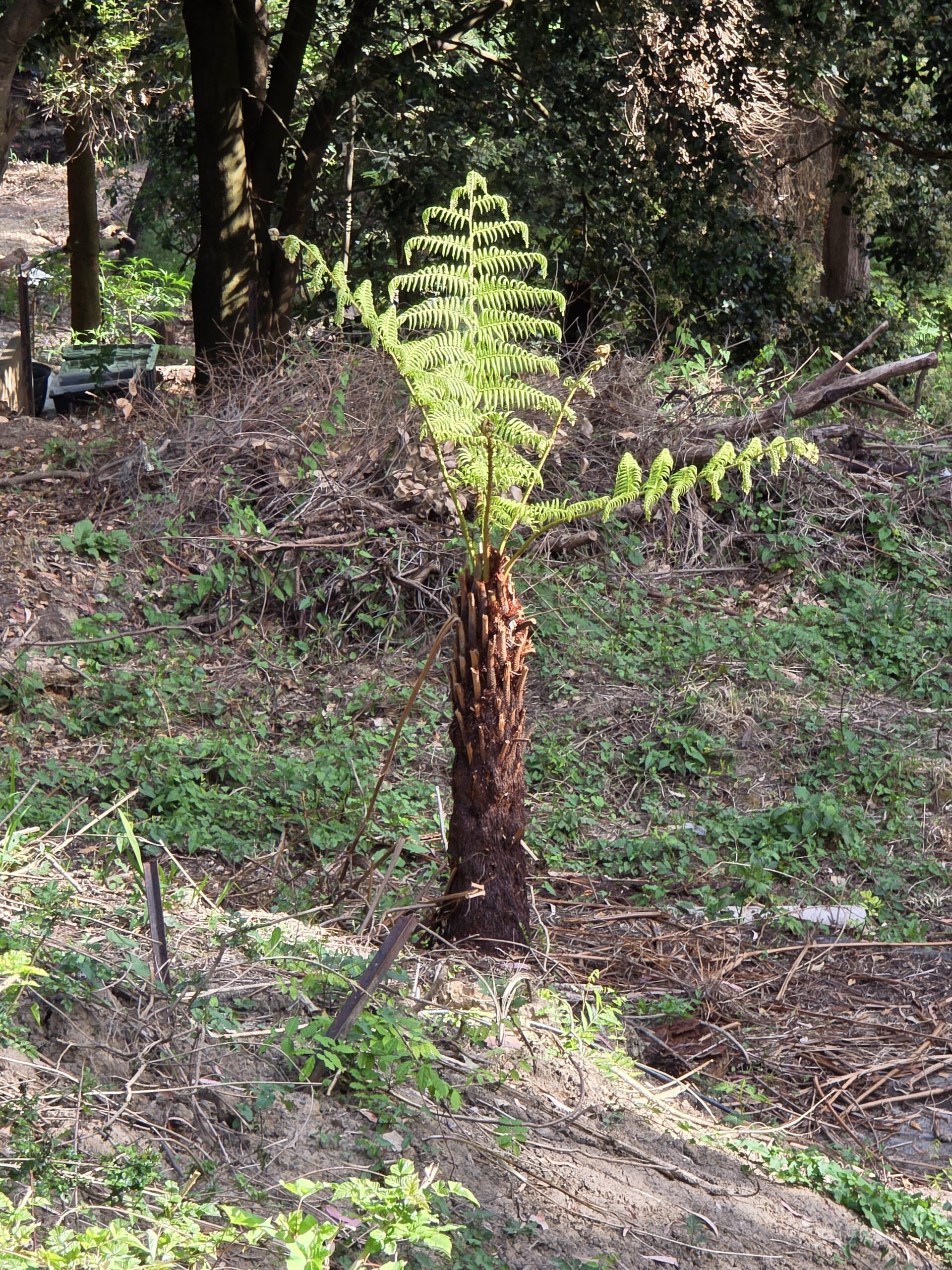
In stage one we had one tree fern we decided not to exclude to see what the goat impact was. Results are after goats and then regrowth
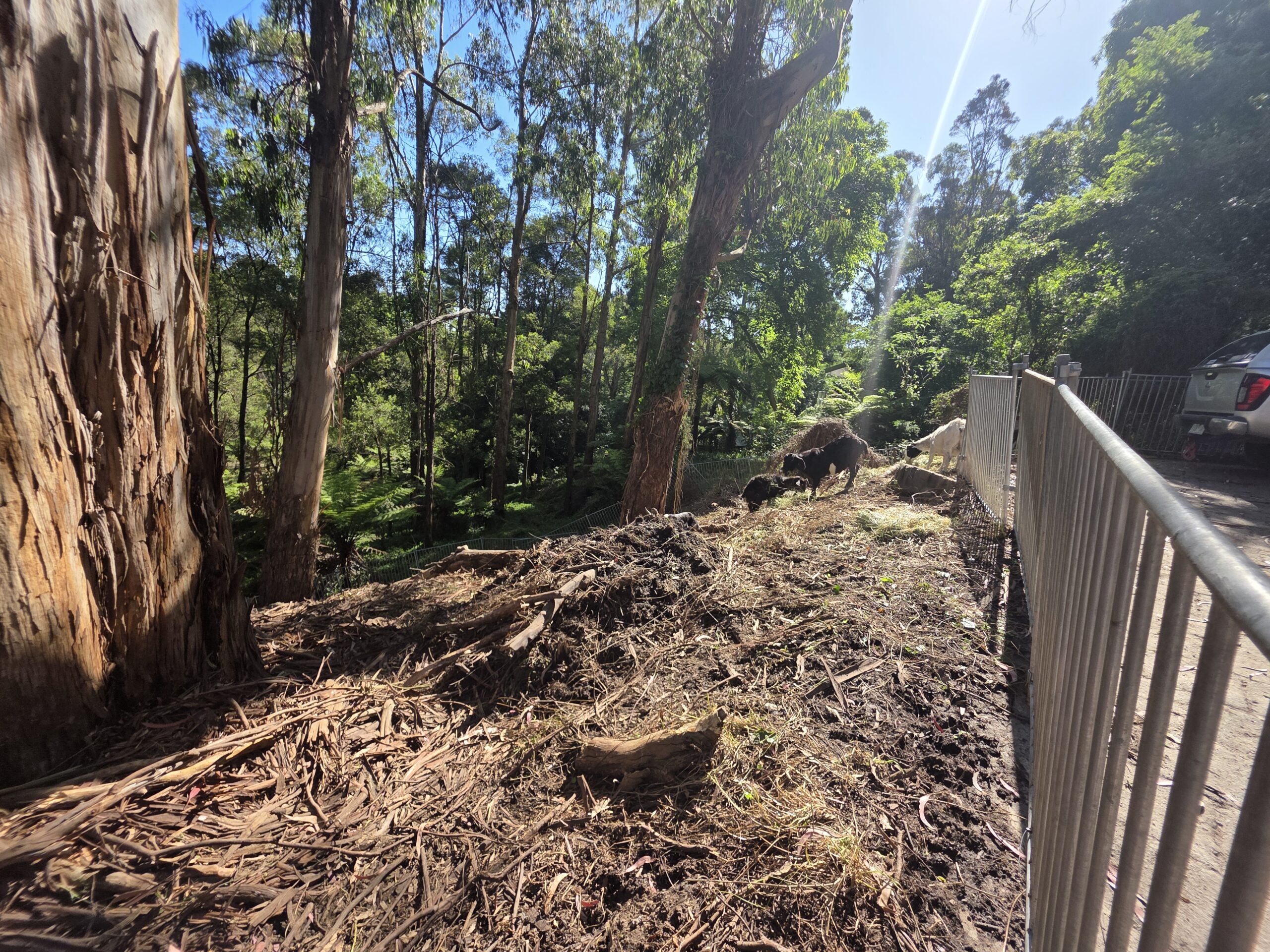
Most importantly, we are already observing encouraging levels of native regeneration across the site. With weed pressure significantly reduced, natural recruitment from the existing seedbank is occurring, particularly among indigenous groundcovers and tree species. We will undertake a structured vegetation survey to document species emergence and abundance, as native recruitment is a key indicator of ecological recovery and long-term site resilience.